Join us for our next Admissions Open House on Nov 10 at 5:30 pm.Reserve your spot
Designed for extraordinary minds
Hawai‘i’s only school for gifted children, grades K–6 (and adding a grade each year through 8th). Eight scholars to a teacher, and no speed limit on learning. Kaimukī, Honolulu

Does this sound familiar?
The child whose understanding is years beyond grade level. The one who exhausts every book on a topic before moving to the next obsession, whose mind runs ahead of the rest of her, and who has already learned that the fastest way to fit in is to stop asking.
Her understanding is years beyond grade level.
She exhausts every book on a topic before moving to the next obsession.
Her mind runs ahead of the rest of her.
She has already learned that the fastest way to fit in is to stop asking.
We raise the ceiling
Most schools are built to raise the floor. Your kid needs someone to raise the ceiling. Scholars here work at their developmental level rather than their age level: a second grader doing fourth grade mathematics sits beside a peer exploring geometry proofs. The school adds a grade each year through eighth, and the curriculum is a superset of the standard one, so a Tradewinds scholar can apply to the most rigorous high schools in Honolulu.
If they are ready to run with something, let them run.

A room where nobody has to slow down
Gifted children often grow up as the odd one out. Here they walk into a room of scholars who laugh at the same jokes, ask the same relentless questions, and do not need anyone to wait for them. Their parents find each other here too.
It is a huge difference when you see two children who are thinking and speaking at a very high level, communicating with each other.
A week at Tradewinds, block by block
Morning circle at eight. Math at 8:30 for the whole school at once, in groups set by level rather than age. Then science, humanities, cooking, art, PE, two recesses, and a Friday enrichment cluster. Point at a block to see what it looks like, and where else it happens in the week.
Monday to Friday, 8:00 to 3:00

Morning circle
The whole school starts the day in one room, so a scholar knows what the day holds before it begins.
The part of giftedness that is not academic
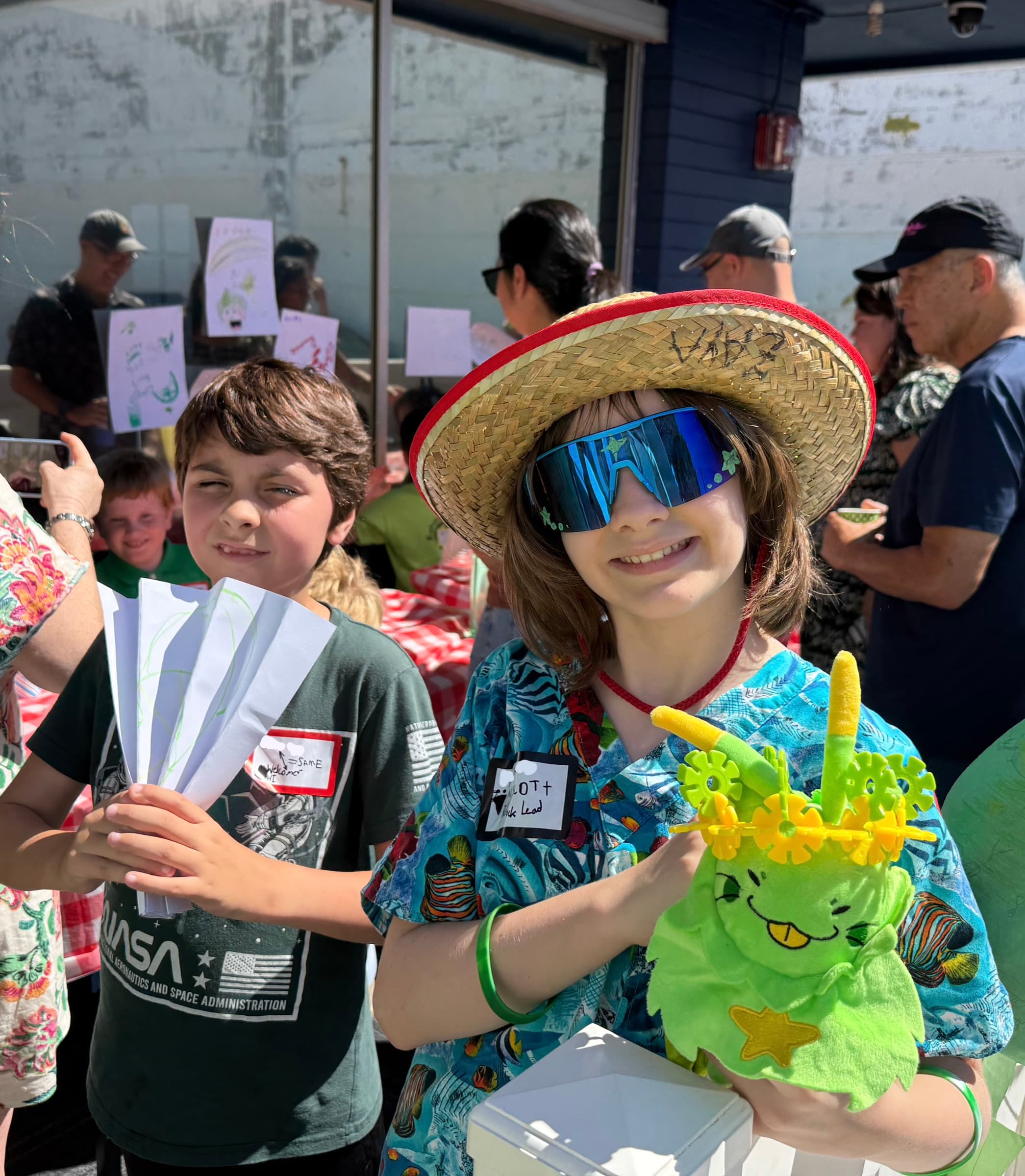
A gifted child often feels as intensely as they think. The mind that will chase one question for six hours also takes a small unfairness hard and remembers it. We treat that intensity as raw material rather than a problem to manage. A scholar learns to name what they are feeling, and sits next to children who feel the same way about the same things.

Taught by specialists
Carl Sabatino leads the school after more than thirty years in gifted education. Science, humanities, cooking, art and PE are separate named blocks on your child’s schedule rather than subjects one teacher fits in around the rest, and robotics after school is taught by a coach who runs a state championship programme.
One piece of technology, and we built it
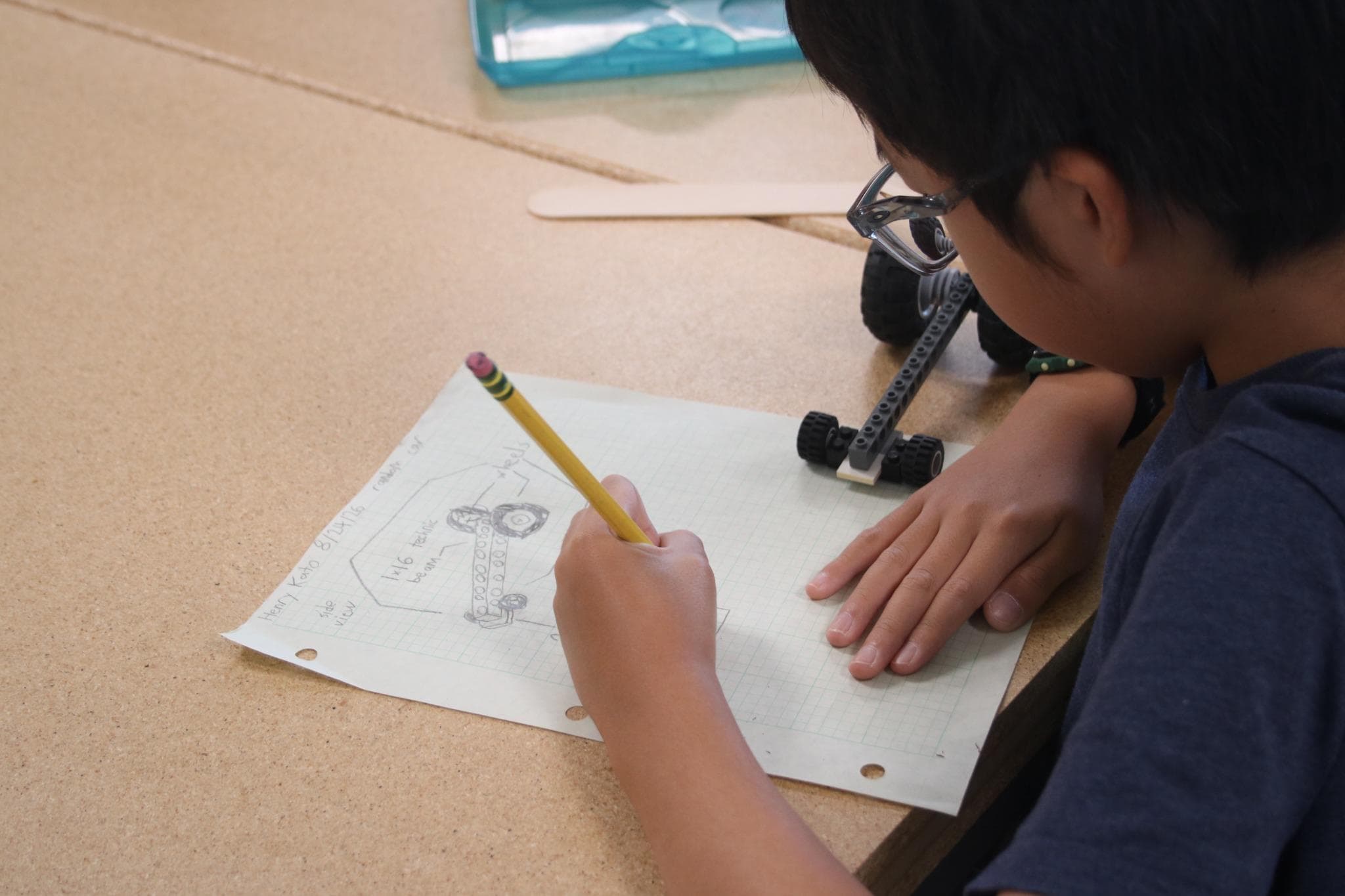
Most technology for kids is built to entertain and engage. Ours is built to make things harder: a Socratic tutor called Rabbithole that finds each child’s edge and holds them there, pushes back rather than agrees, and lets a teacher be everywhere at once. It runs on a BunnyPad, which is iPad hardware with a full brain transplant that removes everything else.
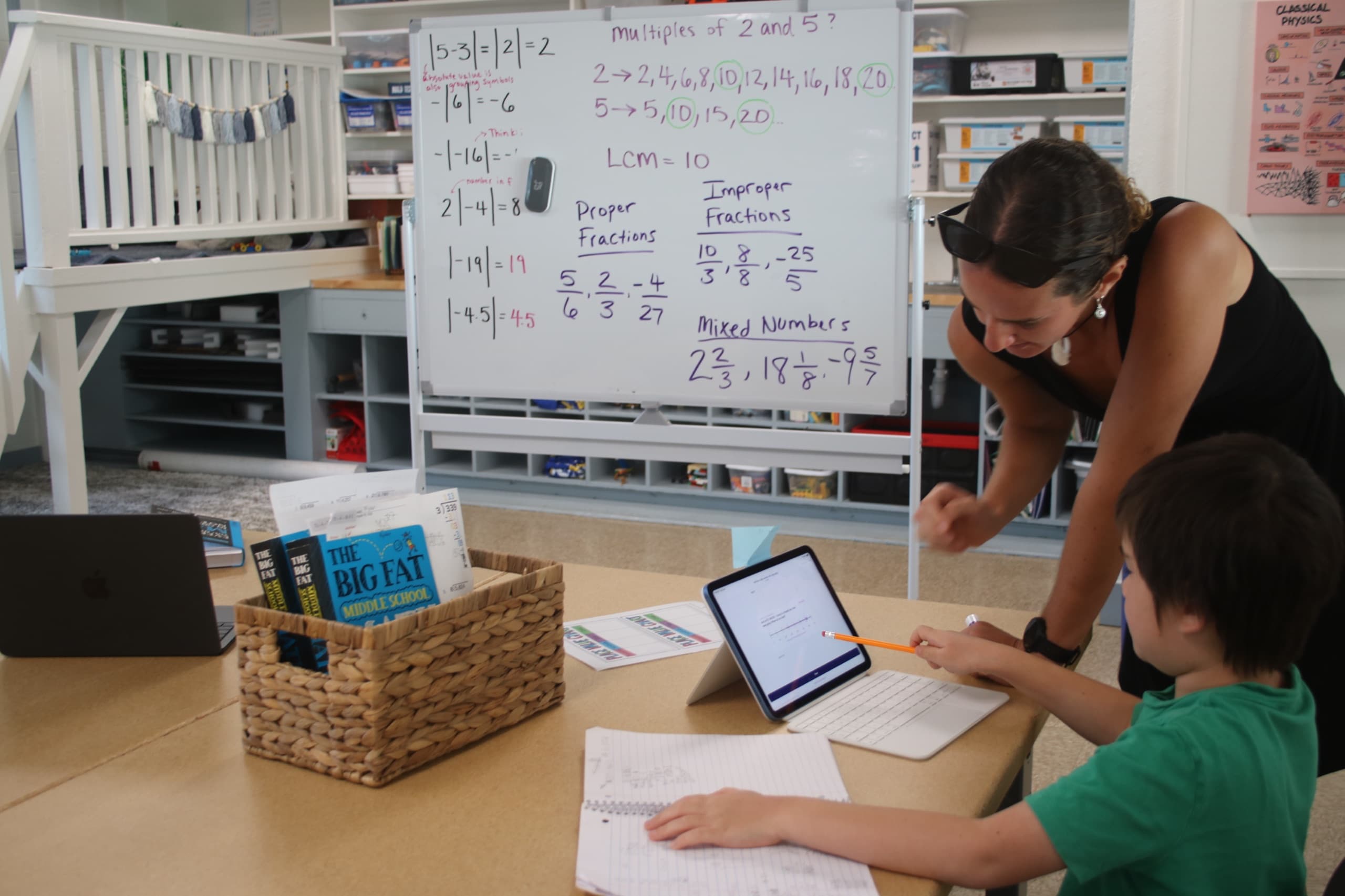

No gems. No streaks. No math Pokémon battles.
Nothing in our software is designed to keep your child hooked.
A school on this corner since 1937
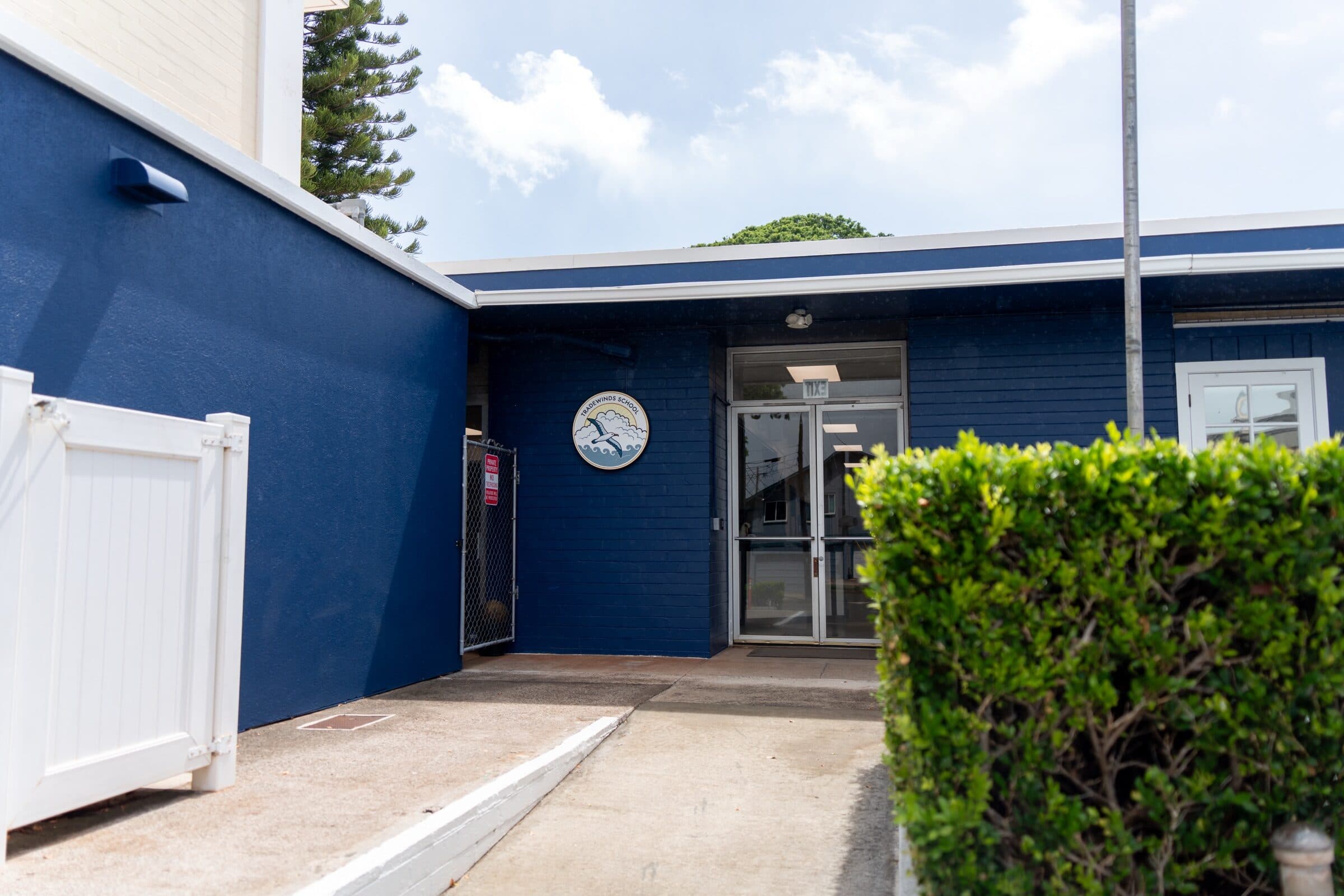
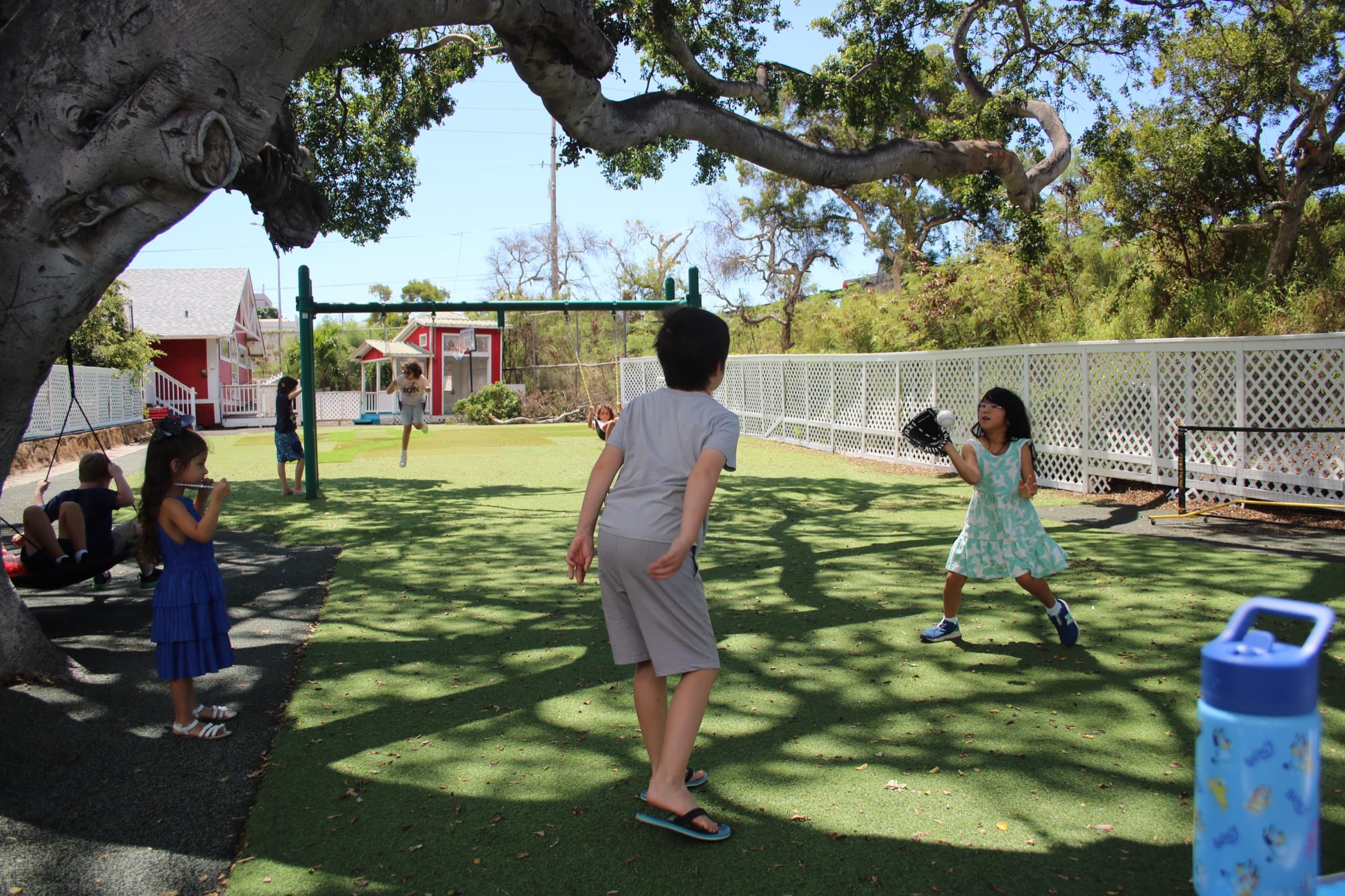
A blue brick building and a red schoolhouse on a Kaimukī corner where children have gone to school for eighty-nine years: Epiphany School starting in 1937, then Mid-Pacific Elementary, Cole Academy, and now Tradewinds. Six thousand eight hundred square feet of indoor space, a short drive from Kāhala, Mānoa and Hawai‘i Kai.
1041 10th Avenue, Kaimukī, Honolulu
How admission works
The goal of our admissions process is getting to know your child. Three steps, in order, and a half day on campus for your child before anyone decides anything.
A consultation with Carl Sabatino about your child.
A cognitive assessment, WISC-V or WPPSI-IV, from 2023 or later.
A half-day discovery visit, then a conversation with the founders.
Tuition for 2026–2027 is $36,000. Tuition for 2027–2028 will be posted soon. About half of families qualify for financial aid.

See for yourself
Come to an open house
Tue, November 10, 2026 · 5:30 PM – 7:00 PM HST
Tue, December 8, 2026 · 5:30 PM – 7:00 PM HST
Talk to Carl Sabatino
Most families’ Tradewinds journey begins with a conversation with our head of school. He’s educated hundreds of gifted children of various learning profiles, and can help you better understand your child’s learning needs.
Apply
As part of applying, your child spends a half day on campus as a discovery visit, experiencing what it is to be a Tradewinds scholar.