For parents
Is my child gifted?
What it actually looks like at home, what the testing does and does not tell you, and what to do next.
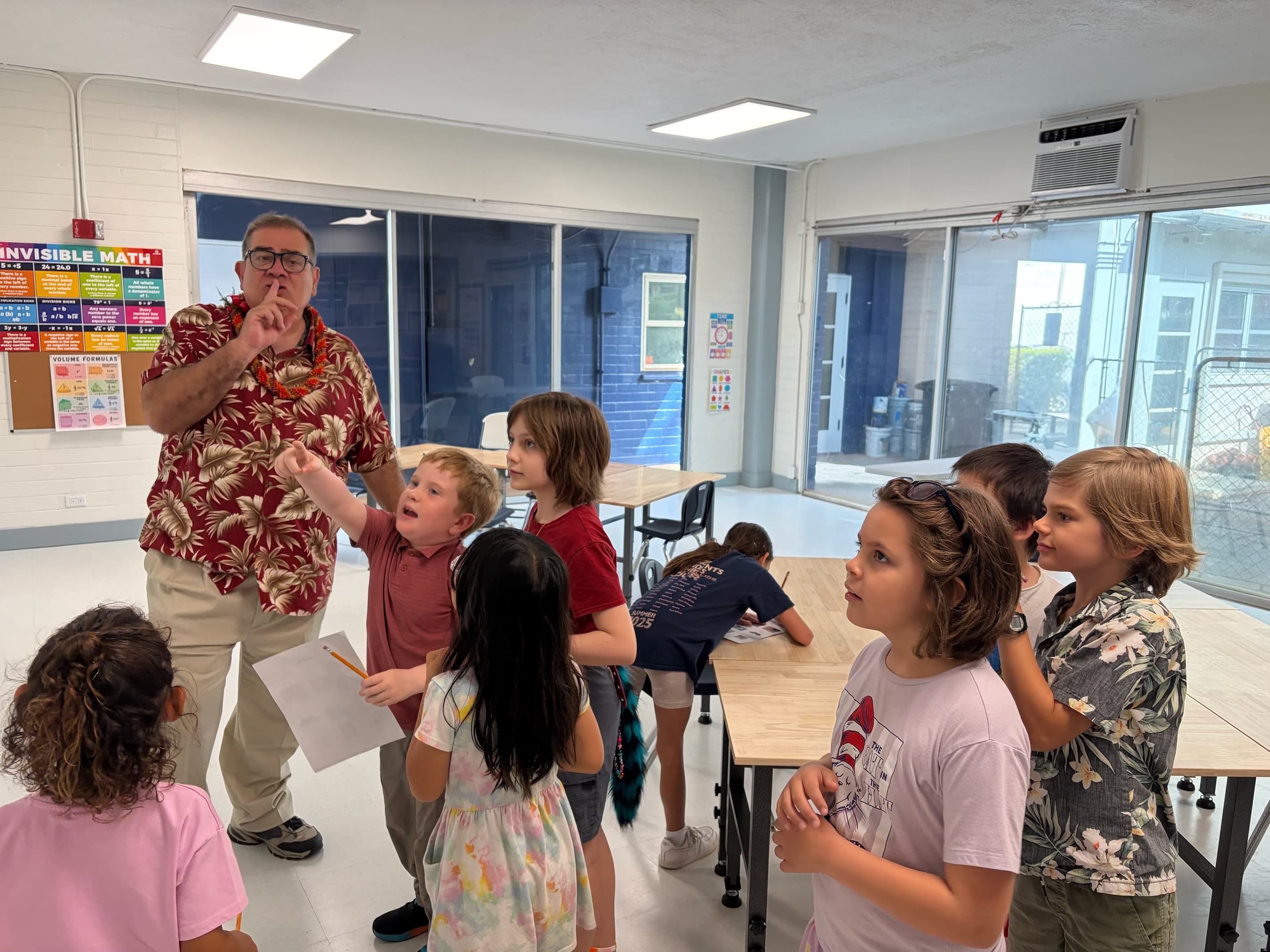
A gifted child can be easy to miss at school. She finishes the worksheet early and waits for the others. At home she asks why the moon follows the car. This page covers what giftedness often looks like and what to do next if you recognize your child.
If you recognize your child here, Carl Sabatino, our Head of School, will talk it through with you.
What it often looks like
Parents of gifted children often notice some of these at home.

Learns fast
Picks up new ideas quickly, and remembers anything that interests them.

Asks the question behind the question
Wants to know why, and then why that is true.

Ahead of their age
Reads, counts or builds well ahead of other children their age.

Holds an interest for months
One subject, such as maps or the solar system, can last a whole season.

Asynchronous development
Ahead in some directions and their age in others. A child can read years ahead and still be six.

Feels things intensely
An unfair rule or a drawing that came out wrong can land hard.

Wants things right
High standards for their own work, which can make mistakes hard to take. This is often called perfectionism.

Restless with repetition
Bored when asked to practice what they already know.

Further reading: 5 Levels of Gifted by Deborah Ruf
Common Characteristics of Gifted Children
Gifted children often exhibit a unique combination of traits that set them apart. Based on research in gifted education:
Intellectual Traits:
- •Asks deep, probing questions that stump adults
- •Makes unusual connections between seemingly unrelated ideas
- •Learns new concepts with remarkable speed
- •Has an exceptional memory for topics of interest
- •Thinks abstractly at an earlier age than peers
Social and Emotional Traits:
- •Exhibits asynchronous development (intellectual abilities far exceed emotional or social maturity)
- •Shows intense perfectionism and fear of failure
- •Demonstrates heightened sensitivity to fairness and justice
- •May struggle to connect with same-age peers
- •Has a quirky or sophisticated sense of humor
Behavioral Traits:
- •Shows impatience when others can’t keep pace
- •Questions rules and authority
- •May appear disorganized despite high intelligence
- •Becomes deeply absorbed in topics of interest
- •Resists repetitive practice of skills already mastered
Your child’s school probably wasn’t designed for gifted learners
Schools group children by age, and a teacher teaches to the middle of the room. That design works for most children. A child who is ready for more, early, spends much of the day on things she already knows. In a 2016 Johns Hopkins analysis of national test scores, about a third of fifth graders started the year already scoring where students were expected to be by the end of it.

What Gifted Children Actually Need
Gifted children need different work:
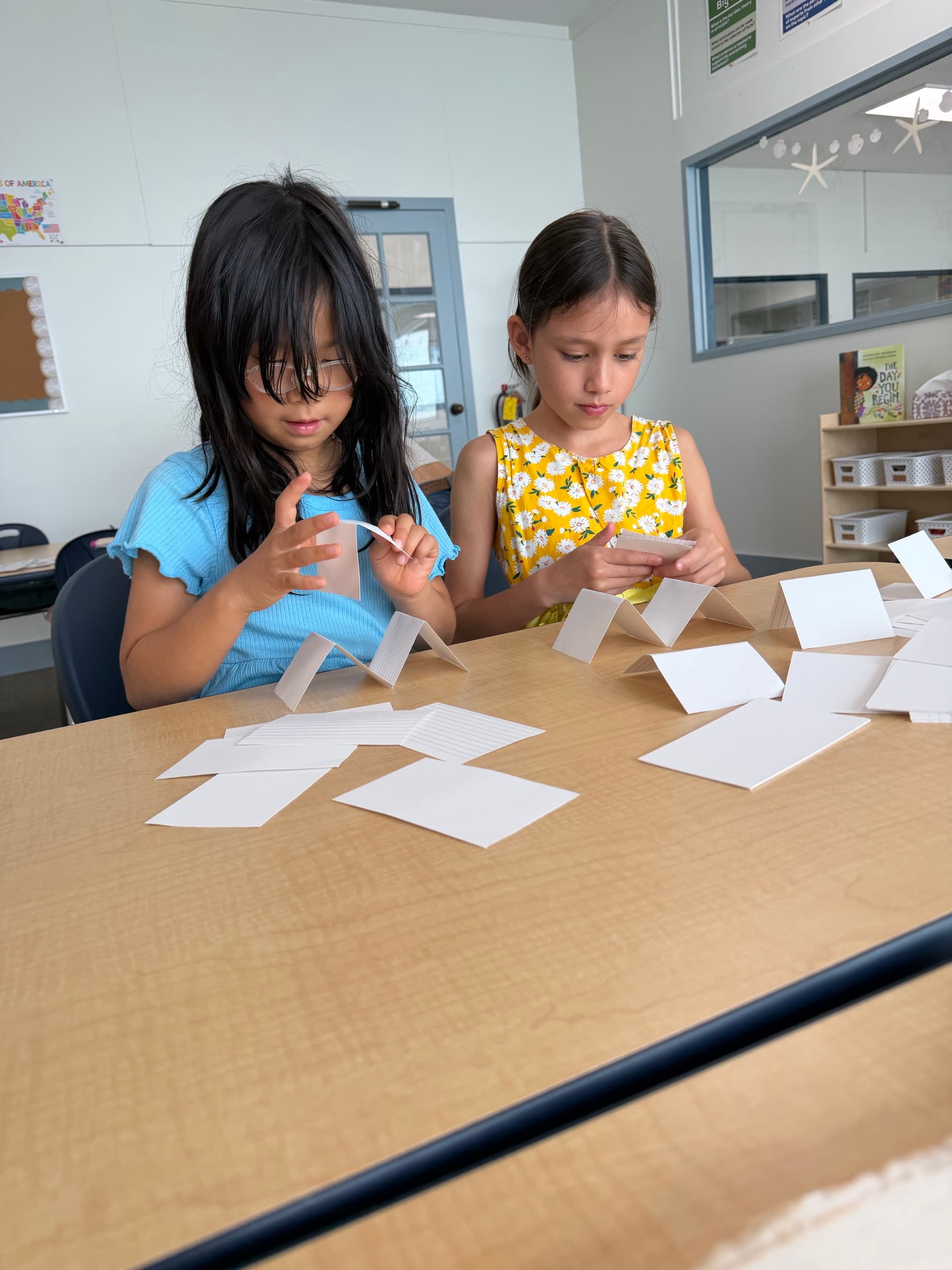
Intellectual Peers
Children who think at the same speed, share the same intensity, and appreciate the same quirky humor.

True Differentiation
Learning that adapts to their actual level of mastery, not their age.

Depth and Challenge
Opportunities to dive deep into fascinating topics and wrestle with difficult problems.

Explicit Social-Emotional Support
Help navigating perfectionism, asynchronous development, and the unique challenges of being different.

A Place to Be Themselves
An environment where their intensity is celebrated, not managed.
The Tradewinds Difference
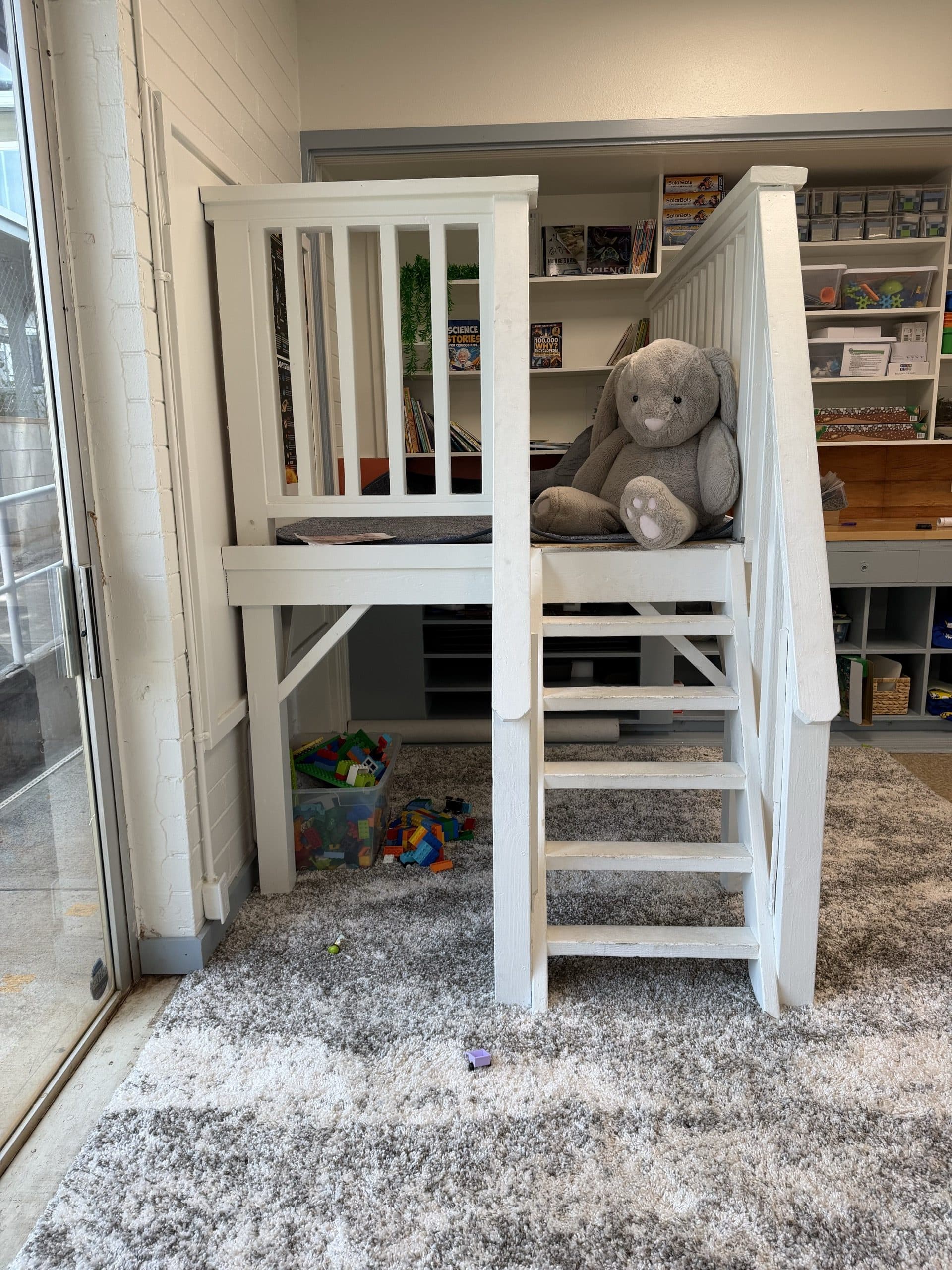
Tradewinds is designed from the ground up for gifted learners:
- •Adaptive core academics that let scholars master material at their own pace
- •Experiential deep dives into fascinating topics that go beyond the traditional curriculum
- •Explicit instruction in emotional intelligence and social skills
- •A cohort of intellectual peers who understand what it’s like to think differently
Common Misconceptions About Gifted Education
"Gifted kids will be fine on their own." "All children are gifted." "Gifted education is elitist." These are things parents hear all the time. They deserve thoughtful answers. We address the most common misconceptions head-on in our FAQ.
Read Our FAQ on Gifted EducationNext Steps
If your child’s experiences resonate with what you’ve read here, consider these resources: