Giving Tuesday · Tuesday, December 1
Help us build a greenhouse of the world’s climates
Scholars will start with the native plants of Hawai‘i and work outward, room by room, to the deserts, rainforests and grasslands of the rest of the planet.
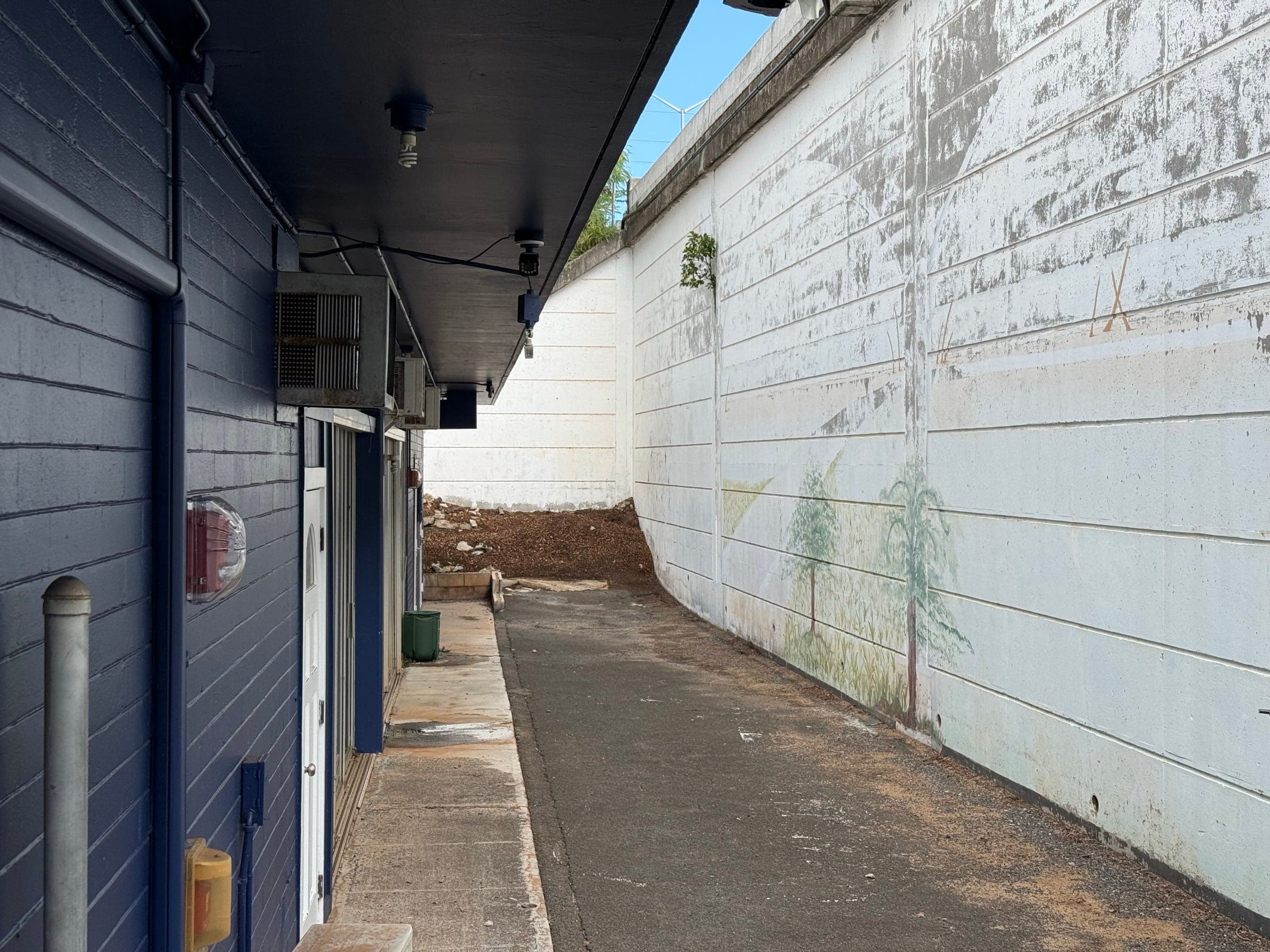
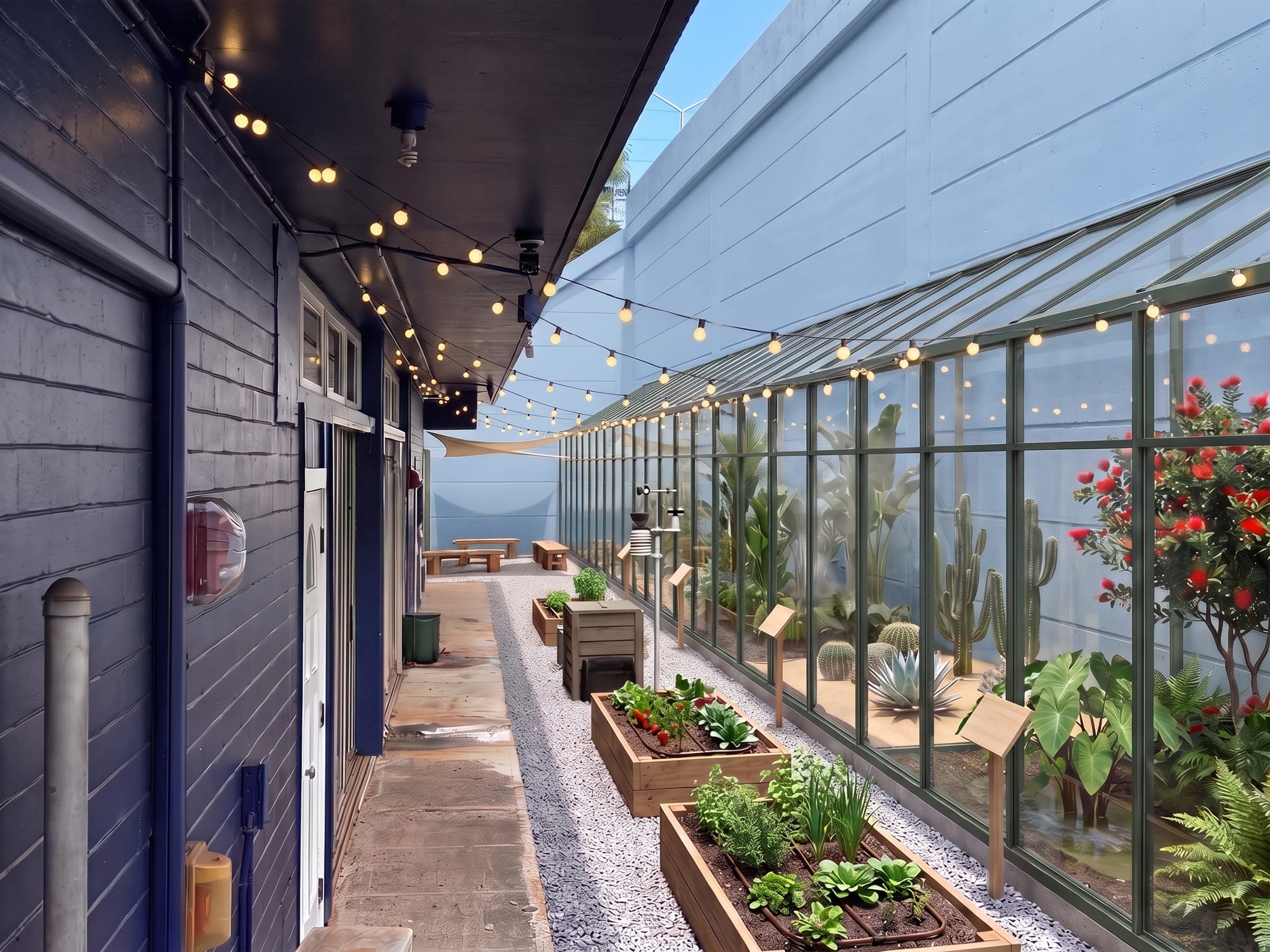
What we want to build
The World Biomes Greenhouse & Sustainability Center will be a set of growing rooms, each held at a different climate: tropical rainforest, desert, Mediterranean, temperate forest and grassland. Raised beds outside will hold Hawaiian native plants and the subtropical crops that do well here.
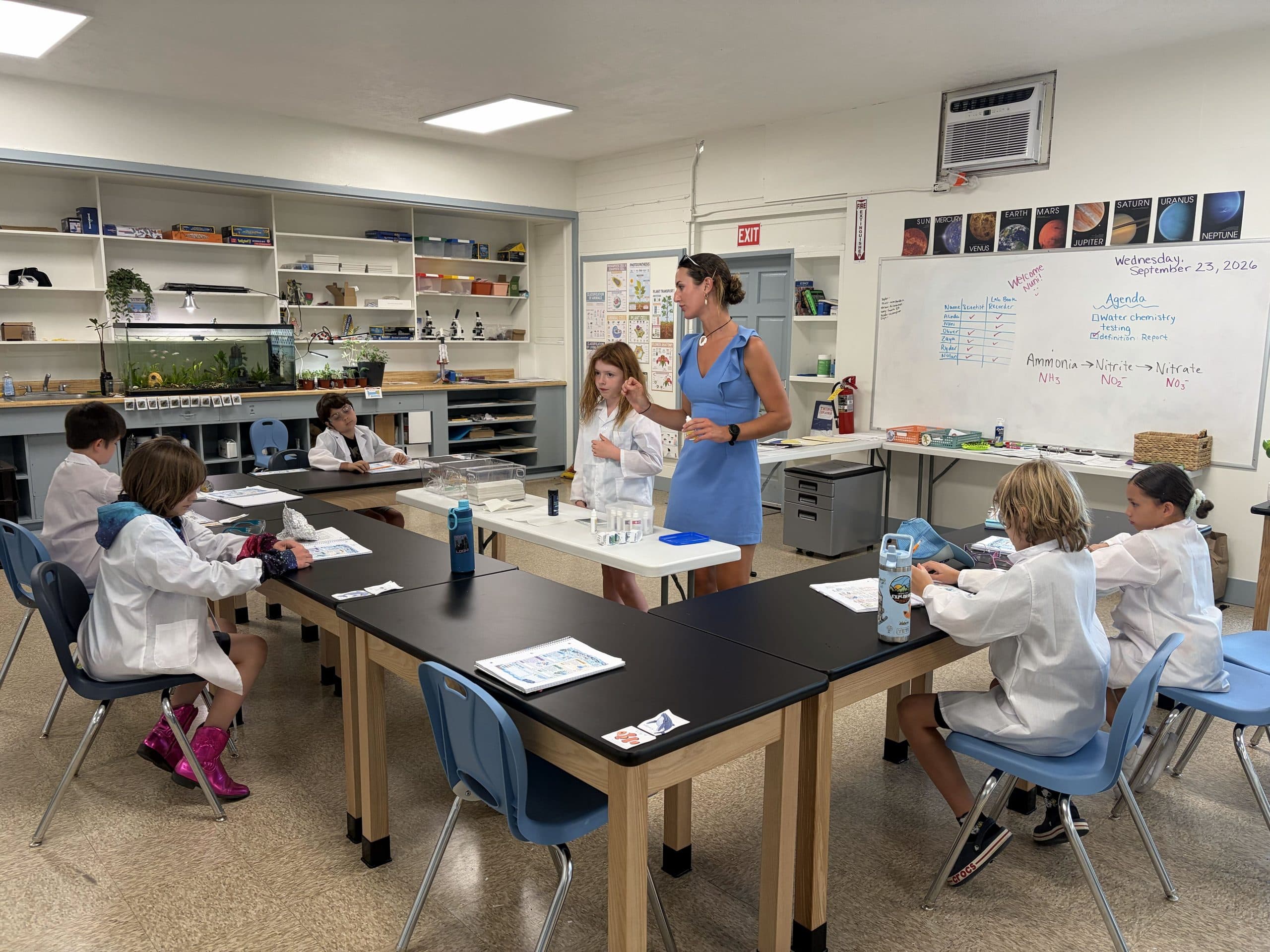
Scholars will use it as a laboratory. A question about rainfall or soil or why a plant grows in one place and dies in another can be tested the same afternoon.
It starts in Hawai‘i
Polynesian voyagers carried their plants with them. Kalo, ‘ulu and niu grew well in Hawai‘i. Far to the south, Aotearoa was too cold for breadfruit and coconut, and the kūmara became the staple. On Rapa Nui, dry and open to the wind, farmers walled their gardens in stone to shelter what they planted.
Scholars will follow the same route. They begin with the plants of Hawai‘i, move across the Polynesian Triangle, and then out to the climates of other continents. Each room shows how climate decides what people can grow and how they live.
What scholars will do there
- Grow food from seed to harvest.
- Test the soil and run the compost.
- Keep a weather station and log its readings.
- Design and build the irrigation.
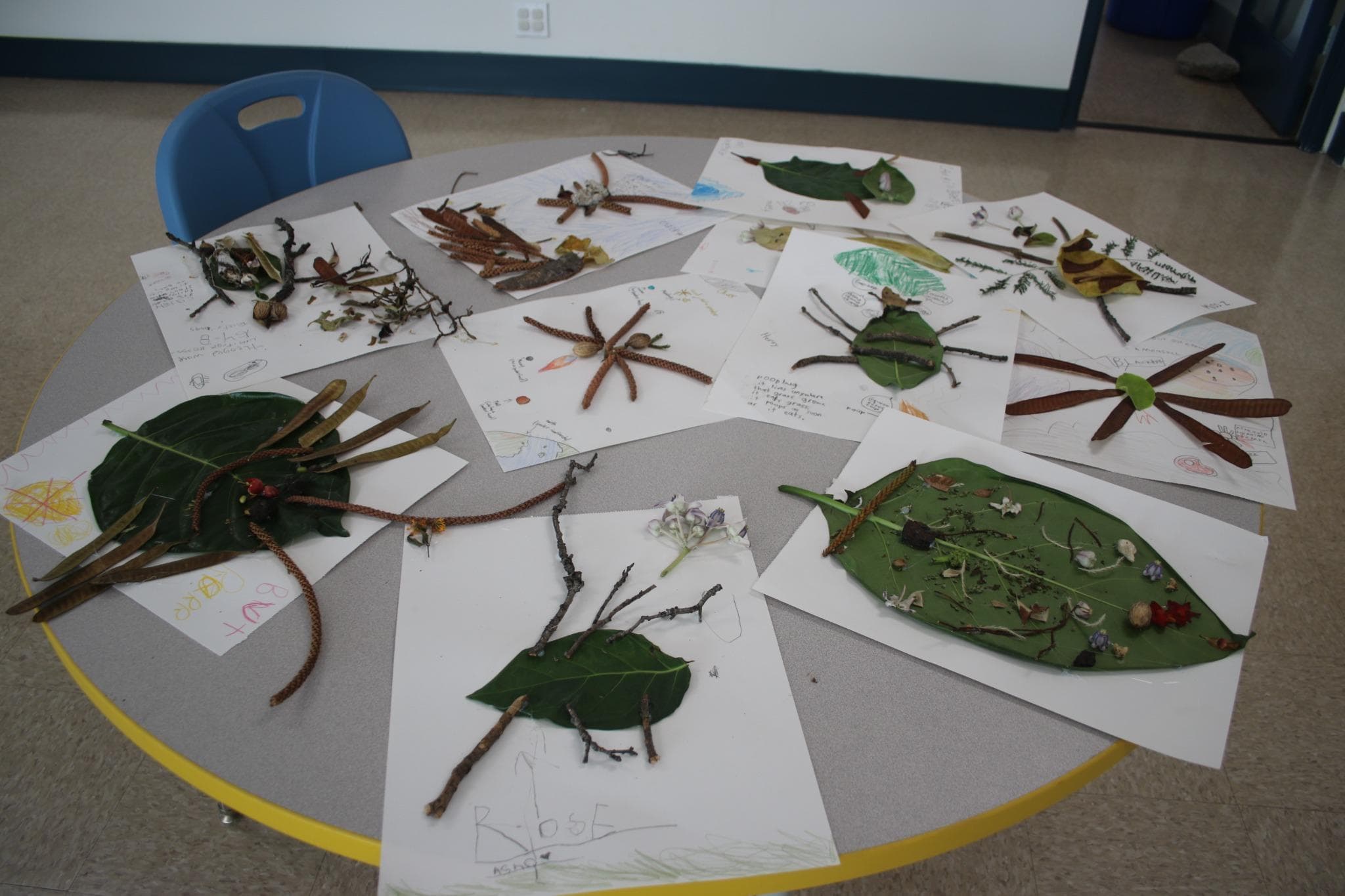
- Survey the plants and insects living in each climate.
The work draws on science, math, geography, engineering, history and nutrition.

About Giving Tuesday
Giving Tuesday is a global day of giving, held each year on the Tuesday after Thanksgiving. It began in New York in 2012 as an answer to Black Friday and Cyber Monday, and people in countries around the world now take part.
This year it falls on Tuesday, December 1. We are using it to raise the money to build the greenhouse.
Giving Tuesday · Tuesday, December 1
Help us plant the first room
A gift of any size, given on the day or before it, goes to the greenhouse.
Your gift pays for:
- Construction of the greenhouse rooms
- Hawaiian native plants and a plant collection for each climate
- Raised beds, irrigation and composting
- Scientific equipment for scholar research
- An outdoor classroom
Tradewinds School is a 501(c)(3) nonprofit (EIN 41-2844428). Gifts are tax-deductible to the extent allowed by law.